
Stockouts don’t just cost you sales. They cost you customers. But finding a fix isn’t easy. Inventory management challenges are notoriously frustrating — and costly. So we decided to get to the bottom of how real retailers are handling the issue.
In our new report, “Unpacking the truth about retail inventory,” we found that even occasional issues with stock levels can lead to permanent losses — we’re talking up to 25% of customers gone for good.
Small retail businesses gave us the inside scoop on why it happens, what exactly it’s costing them and how they address the issue when it occurs in their shop.
But first, let’s cover the basics.
What is a stockout?
Just like it sounds, a stockout occurs when you run out of inventory for a product and can’t meet customer demand. This could look like a customer making it to the checkout counter ready to buy a product, only to be turned away empty handed because the product they’re asking for isn’t on the floor or in the stockroom.
It’s a painful experience for the customer and the retailer, but it happens more often than you might think.
What’s causing the stockout spiral?
According to the small businesses we surveyed, stockouts happen for three key reasons:
- Blind spots
- Manual processes
- Disconnected systems
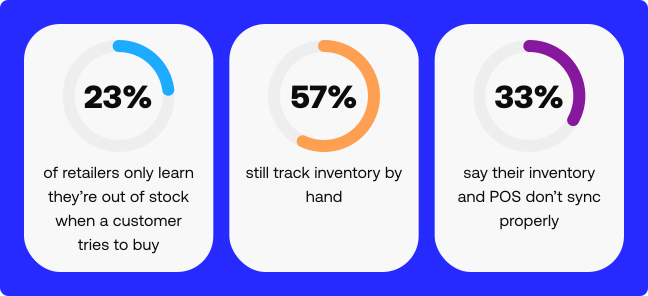
Whether it’s human errors caused by manual counting or communication issues between systems that don’t talk to each other, when you have inventory visibility challenges the outcome is the same: instead of being in control, you’re left playing catch-up. Worse? It hurts customer loyalty and revenue.
The real-world cost of retail stockouts
Customers may forgive once. But not always twice. In a world of options, they’re more likely to try the next store rather than give repeat chances to the one that let them down.
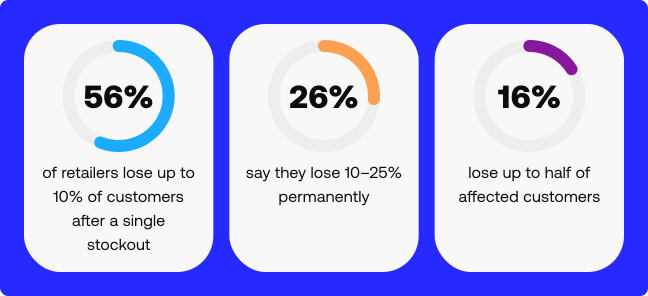
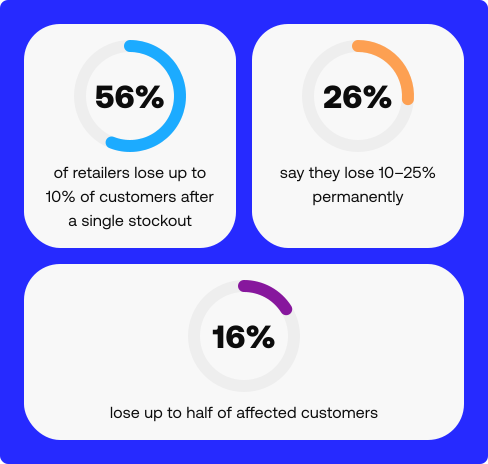
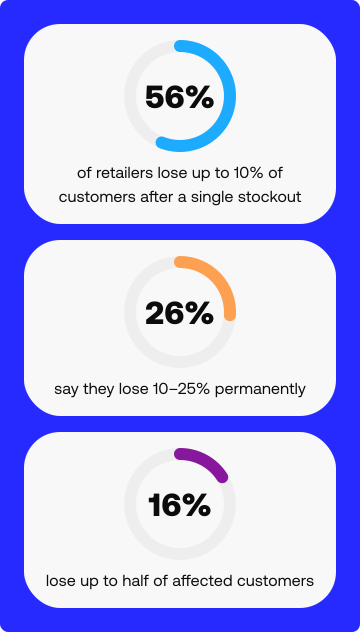
Let that sink in: One missing item can have a lasting — and negative — impact on repeat business. Understanding how to prevent stockouts isn’t just a smart move. It’s a must.
4 patchwork fixes
When stockouts happen, most retailers go hands-on. Here are the four biggest ways retailers try to staunch the customer leak after a stockout incident.
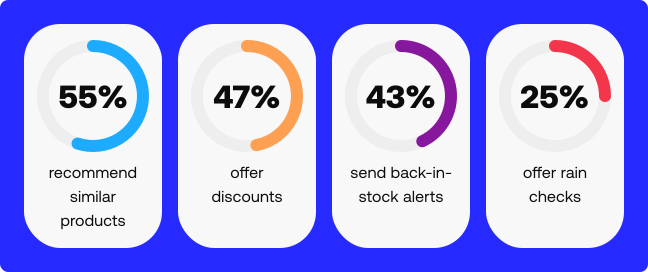
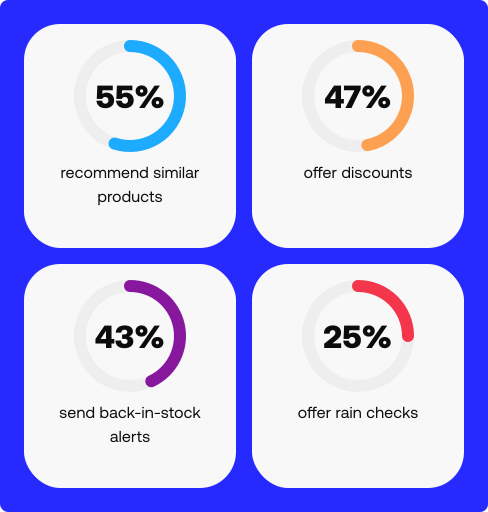
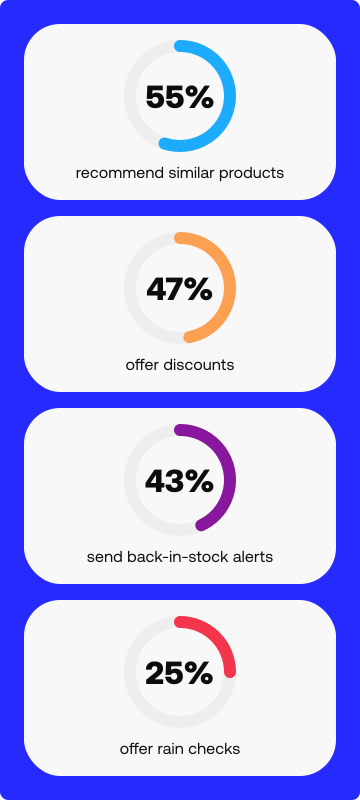
The damage control doesn’t stop there. Some retailers will even shell out $50 – $150 to overnight a product to a disappointed customer. That’s a big price for a small item — especially when it keeps happening.
How to prevent inventory stockouts
Running a small business means you wear a lot of hats. But one of the most important? Inventory manager. Knowing what’s in stock — and when — isn’t just a back-office task. Inventory control is your customer retention strategy and the key to meeting customer demand.
Here’s the good news: You can do more than just put a bandaid on stockouts. You can prevent them from happening in the first place.
If you want to see how other small retailers are putting a stop to stockouts and creating better visibility with real-time data, we’ve got just the thing: original insights from real retailers.
Discover the truth about inventory from 200 retailers