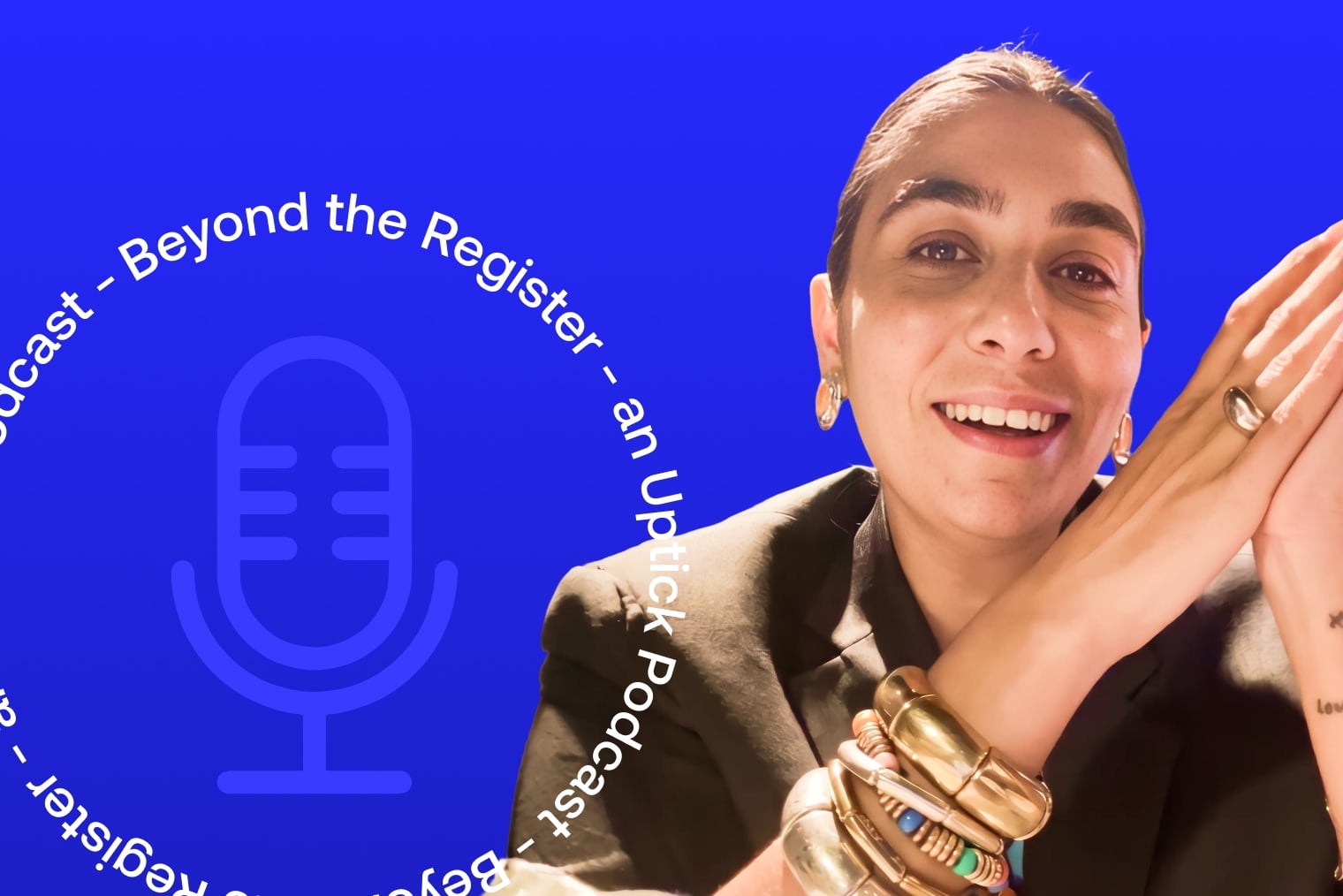
In 2018, Lior Donskoy walked past an empty burger shop in Brooklyn, found the owner and somehow convinced him to let her have the space. She cleaned it out, turned it into a pop-up with designers right before Burning Man and never looked back.
Lior was used to taking chances. She moved from Israel to New York City at age 21.
Today, she runs Original Story — a permanent retail space in Williamsburg that houses 14 independent brands, hosts Fashion Week parties and is building a co-working studio for creatives.
Lior is also the founder of La Donsk, her own sustainable clothing brand, and she spent years running pop-ups across Brooklyn before finally signing her own lease. What struck me most about our conversation in this episode of Beyond the Register wasn't just her hustle — it was her clarity about why permanence matters, how curation creates community and what Burning Man taught her about retail that most business owners never consider.
What did running pop-ups teach about permanence?
Lior spent years doing pop-ups — one day, then a weekend, then a week, then three months at Designer Collab’s Williamsburg store. She kept moving, kept testing, kept learning. But here’s what she realized: “I think how important it is for a small business to have a permanent space,” she said. “It’s so hard to grow without a home. So that’s when I understood that the customer wants to come back to something.”
Pop-ups are great for testing, for building buzz and getting in front of new customers. But they’re not a growth strategy. They’re a survival strategy. Customers want to come back to something. Designers want to learn from their customers over time, not just in a two-day window. And without a home base, you’re always starting over.
Lior saw this firsthand when she ran Designer Collab’s store for three months. She had 30 brands in the space, she hosted yoga classes and jazz bands, and she watched customers come back week after week. That’s when she knew: If she wanted to build something that lasted, she needed a permanent space. Not just for herself, but also for the community she was creating.
How does she curate 14 brands so it doesn’t feel like a flea market?
Lior is obsessive about how brands sit next to each other. The colors need to speak the same language. The pricing needs to make sense. The products need to complement, not compete. She literally chose each piece of wood in the store when she and her partner built it out on a tight budget. And when a brand applies to be in Original Story, she’s not just looking at the product — she’s looking at how it’s made, whether it’s sustainable, whether it aligns with the customer base and whether there’s a gap in the store that it fills.
Right now, Original Story has 14 brands. It can fit up to 17 or 18 and still feel spacious. But Lior is not trying to cram as many brands as possible into the space. She’s trying to create an experience where a customer walks in and feels like they can breathe. Where they meet the designers behind the clothing. Where they come back not just for the product, but for the memory.
What does Burning Man have to do with running a retail store?
Lior has been to Burning Man eight times. She’s not going this year because Original Story is keeping her busy, but the festival shaped everything about how she thinks about retail. She went for the first time when she was 21, came back and felt the need to make something with her own hands. That’s when she started La Donsk, her sustainable clothing brand made entirely in New York.
But it’s not just about the product. It’s about the energy. “I do believe that when we wear something that we feel good about, it changes our whole day and our whole energy,” she told me during our conversation. At Burning Man, you can’t buy anything. Money doesn’t work. Every camp gives something to the community — ramen, nail art, jazz music, whatever. It’s a city built on giving, not taking. And that’s the ethos Lior brought to Original Story.
She runs eight Burning Man–inspired events a year. She took all her designers out to dinner last month. Half of them flew to Greece for a wedding of a designer who used to work in the store. When one brand got approached by a big wholesale website and didn’t know what to say, she asked the other brands for advice. Lior calls it a family. And she means it.
What’s next for Original Story?
Lior’s not slowing down. On September 10, she hosted a Fashion Week party with a live jazz band, inviting writers, influencers and editors to see new collections from her designers. On November 21 and 22, she’s running a curated holiday market across the street from the store with 50 brands. She’s building a website that will feature even more small brands than the physical store can hold. And she’s working on a co-working space for creatives.
“I would love to give them that platform,” she said. “And another thing that we are currently working on is a co-working space for Original Story with other creatives, a place where we can work together. When we can create together, we can sew together, you know, we can make jewelry. So it’s basically a place where you can work with other brands and grow.”
It’s not just about selling clothes. It’s about building a home for small businesses like hers. A place where the journey doesn’t have to be lonely.
How can Lior inspire you?
If you’re running a small retail business — or thinking about starting one — here’s what I’m taking from Lior’s story.
Stop treating your space like a transaction hub. Lior curates every detail so customers feel something when they walk in. The lighting, the spacing, the way brands sit next to each other — it all matters. Technology, including the right retail POS system, can help handle the transactional side of the business so you can focus more on creating an experience customers want to come back to. Your store is an experience, not just a place to buy things.
Permanence compounds. Pop-ups are great for testing, but they don’t build loyalty. Customers want to come back to something. Designers want to learn from their customers over time. If you’re serious about growth, find a home base.
Curation is everything. Lior doesn’t just accept any brand that applies. She looks at how it’s made, whether it aligns with her customer base and whether there’s a gap in the store it fills. Quality over quantity. Always.
Build a family, not a roster. Lior’s designers ask each other for advice, go to each other’s weddings and support each other’s growth. That doesn’t happen by accident. It happens because she treats them like family, not vendors.
Let your values shape your business. Lior’s commitment to sustainability, local production and community didn’t come from a marketing deck. It came from Burning Man, from her own experience as a designer and from her belief that retail should be personal, not corporate.
Lior opened Original Story with a clear vision: Create a home for small businesses like hers. A place where designers could work together, customers could feel something and community could grow. She’s not trying to scale to compete with big retail. She’s trying to build something that lasts.
And she’s doing it her way.
Check out the full episode of Beyond the Register for more.