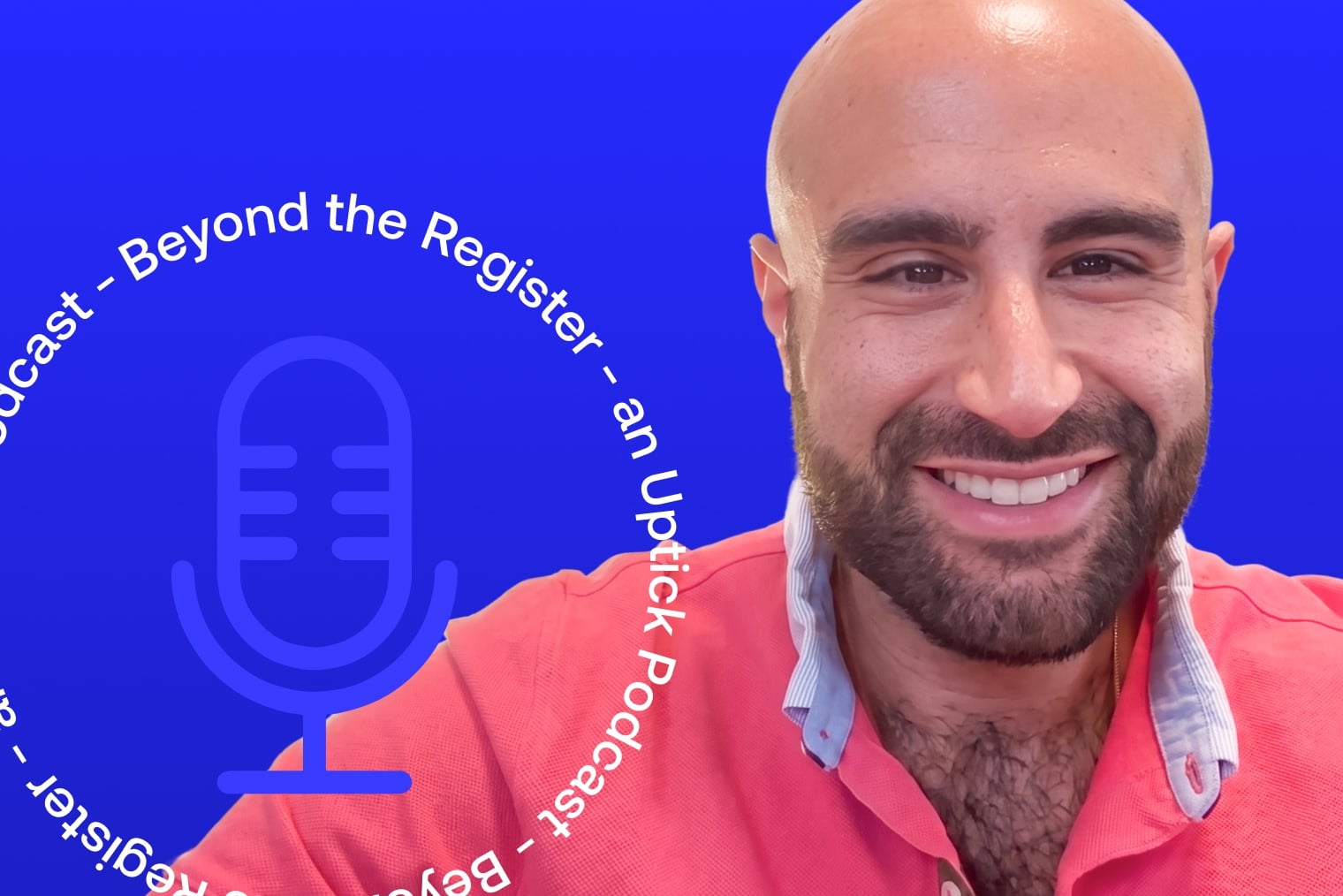
Edy Massih bought a 43-year-old Polish deli in the middle of a pandemic with no investors, flipped it in a matter of weeks and sold out on opening day. He was 25 years old. He was a caterer. And he had zero retail experience.
Edy is the owner of Edy's Grocer, a Lebanese deli and market in Greenpoint, Brooklyn. He's also the founder of New York's first Lebanese festival, a Forbes 30 Under 30 honoree, chef, author and someone who's learned how to run a business by doing it — mistakes, broken fridges and all.
If you've ever wondered when to let go of a beloved business' old identity, how to adapt when customer behavior shifts, or why investing in your own growth matters, this conversation is for you.
How do you adapt when it seems impossible?
When Covid hit in 2020, Edy's catering business came to a full stop. Like a lot of small business owners, he had to make a choice: pivot or wait it out. He chose to pivot, but not in the direction most people expected.
Instead of going digital, Edy went all-in on an in-person business. He called Maria Puchak, the owner of a Polish deli he'd been visiting for years and asked if she'd consider selling. At first, she said no. A couple weeks later, she called him back.
By July, Edy had the keys. By August, he'd flipped the space into a Lebanese grocer. And by opening day, he'd sold out. The risk paid off, but with lots of hard lessons along the way.
How do you negotiate a deal when you have no money?
Edy didn't have investors. He didn't have a big savings account. What he did have was a relationship with Maria, a business plan he'd written in college and the willingness to take on a key fee that included a lot of stuff he didn't need.
"Maria was very understanding," Edy said. "She ran the place. She didn't just own it. She ran it. So she knew what the food business is like. She was very forgiving in a way when it came to making a deal."
The key fee covered everything in the grocer — inventory, equipment, all of it. A lot of it was old. Some of it was broken. Edy ended up buying a nine-foot deli fridge that broke repeatedly over two years, costing him close to $12,000 in repairs before he finally ripped it out. But the deal got him in the door, and Maria's support — her contractor connections, her knowledge of the neighborhood, her willingness to stay involved — made the transition possible.
Here's what clicked for me: Edy didn't try to negotiate like a corporate buyer. He leaned into the relationship. He showed Maria he would take care of her space. And he was honest about what he could afford. That kind of transparency doesn't work in every deal, but when you're buying from someone who cares about legacy, it can be everything.
When do you let go of the old identity?
When Edy first opened, he kept a small Polish menu on the board and stocked Polish groceries alongside Lebanese products. He wanted to honor Maria's legacy and serve the Polish neighborhood where the grocer was located.
But after a couple years, he realized no one was coming to him for Polish food. They were coming for Lebanese. So he made the call to take the Polish menu off the board and leaned fully into what was working.
"If you don't adapt your business to your surroundings, you're going to fail," Edy said. "There's always been these kind of transitional moments within the business, and you have to do that."
This is the part a lot of owners struggle with. You take over a beloved business, and you feel obligated to keep everything the same. But the market doesn't care about your obligations. It cares about what it wants. Edy's advice? Look at your sales. Look at what you're throwing out. If you're prepping something three times and tossing it three times, it's not working. Let it go.
Why does he close for two weeks every August?
Every August, Edy closes the grocer for two weeks. He pays his staff for the entire period. And he uses the time to work with a business coach on his own growth as a leader.
"August is really slow in New York," Edy explained. "Everybody's out of town. So it just makes sense for us to kind of close up the grocer for those two weeks and be able to go on vacation."
But it's not just about the slow season. It's about mental health. It's about giving his team a real break — not staggered time off where someone's always covering for someone else. And it's about creating anticipation. When the grocer reopens, people are excited. They've missed it. That longing drives traffic.
The business coaching piece is what really stood out to me. Edy was 25 when he opened. He didn't know how to manage a team. He didn't know how to delegate. So he invested in learning those skills every single year.
"Business coaching really helped me kind of shape myself to be a better business owner," he said. "Learning how to delegate work, learning how to communicate with your team, learning how to be a good manager — it's a lot of different aspects to it."
What do you do when social media isn’t working?
Edy posts regularly on Instagram and TikTok. He shoots around eight reels a month. But lately, the algorithm hasn't been kind. His numbers are down. And yet, people still walk into the grocer and tell him they love his content.
"You never know how you're going to show up on people's screens and people's phones and how people are going to find out about you," Edy said. "So I never let that kind of discourage me. I always just keep doing what we do best."
This is the mindset shift every small business owner needs. Social media is a free marketing tool, but it's not a scoreboard. The numbers don't tell the whole story. If people are showing up and mentioning your content, it's working — even if the algorithm says otherwise.
What can you borrow from Edy’s playbook?
Edy's story is full of moments where he had to make a call with incomplete information. Here are five practical tips he learned that you can benefit from today:
Relationships matter more than capital when you're starting out. Edy didn't have money, but he had Maria's trust. That got him in the door.
Adapt fast. When customer behavior shifted from weekday traffic to weekend traffic, Edy brought back catering to fill the gap. When the Polish menu wasn't selling, he cut it.
Invest in yourself. Business coaching isn't cheap, but neither is running a business into the ground because you don't know how to delegate or manage a team.
Close when it makes sense. If August is slow and your team is burned out, shut down. Pay your people. Come back refreshed.
Don't let social media metrics dictate your strategy. If people are walking through your door and mentioning your content, it's working.
More than a grocer
Edy is building something bigger than a grocer. He's building a cultural hub. The Lebanese festival he started two years ago is now in its third year, bringing together Middle Eastern small businesses and shining a light on a culture that's often misrepresented in the media.
"We really have such a beautiful culture and the oldest culture out there," Edy said. "Being able to represent that in a positive way and shining a bright light on it is what brings me joy the most."
The festival happens every November. It's grown every year. And it's a reminder that small businesses aren't just about transactions — they're about community, identity and belonging.
Sometimes, you just need to believe
Edy opened a deli when conventional wisdom said it was a terrible idea. He did it with almost no money and zero retail experience. And he built something that's not just surviving — it's thriving.
The lesson? You don't always need investors. You don't need a perfect plan. Sometimes, you need relationships, adaptability and to believe in your vision.
Check out this episode of Beyond the Register for more.