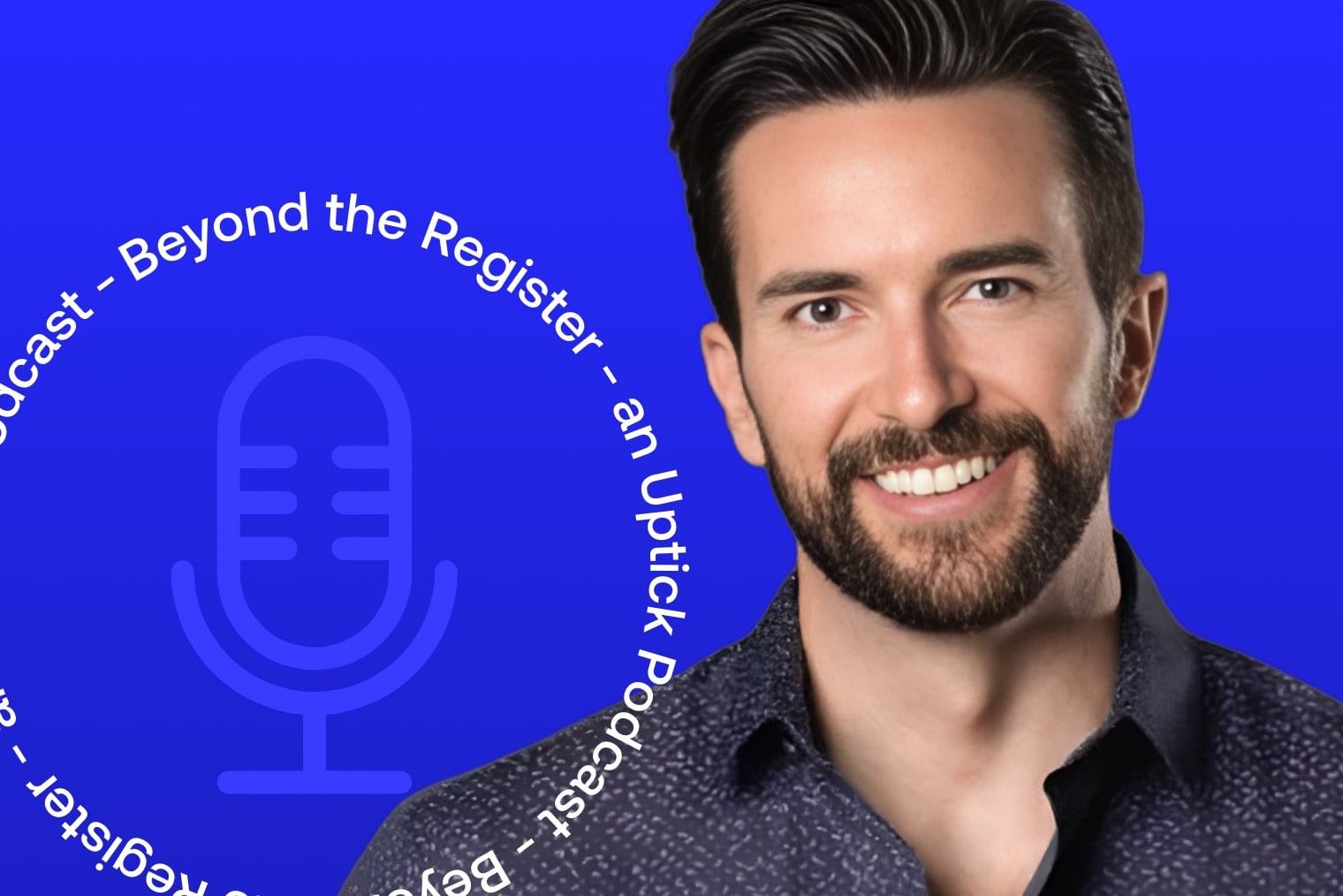
Most people who appear on “The Bachelorette” would have stuck to the influencer playbook — maybe selling detox teas with their face on the bottle, chasing brand deals and living off the attention. Dan Cox went the opposite direction. He opened brick-and-mortar stores, built two supplement brands from scratch and spent years behind the counter learning what customers needed.
What struck me most wasn't the scale of what he built. It was how he built it: by listening to customers, controlling his supply chain and refusing to cut corners even when it would have been easier and more profitable.
This year, Dan launched his brand Wellthy into GNC nationwide. His advice to his younger self? Slow down. That's not what you expect to hear from someone who scaled to five stores in a few years, but it's exactly the kind of hard-won wisdom that makes this conversation on Beyond the Register worth your time.
Why did Dan Cox choose retail over reality TV fame?
Dan's appearance in the ninth season of “The Bachelorette” and the second season of “Bachelor in Paradise” was never his endgame.
"The part of being on the show was just a fun experience," Dan said. "It wasn't my end all be all. I knew it was very short-lived."
While he was on the show, he had already been working in the healthy beverage business and later got recruited into the wine industry. But Dan missed the health and nutrition side of consumer-packaged goods. When a friend started opening nutrition stores in Texas, Dan picked his brain and thought: I can do this.
So he opened his first store in Las Vegas with no retail experience. Then he opened another in California. Eventually, Dan grew to five stores across two states. Along the way, he started noticing gaps in the market — products his customers were asking for that didn't exist or didn't work the way they should. That's when he created two brands: Metcon, a sport nutrition line focused on natural ingredients, and Wellthy, a health essentials line designed to be approachable and female-friendly.
The retail stores weren't just a business. They were a testing ground. Dan had thousands of customers walking through his doors every month, giving him direct feedback on what worked and what didn't. That kind of insight is something most direct-to-consumer brands never get. And it shaped everything he built next.
How can running physical stores shape online strategy?
Dan admits starting with brick-and-mortar probably slowed him down. He was late to Amazon. He was late to Shopify. He missed the early days of cheap Meta ads. But what he gained was more valuable: a deep understanding of his customers.
"We were living and dying by every customer that came through the door," Dan said. "As a brick and mortar, you have to make them happy. You have to keep your promise to them."
That creates a level of accountability that most online brands don't have. Dan spent time with every customer — running body composition scans, going through their diet, understanding their goals — before recommending products.
That customer-first mindset carried over when he started selling online. He didn't just blast ads and hope for conversions. He thought about how to give online customers the same personal touch they'd get in-store. And when he started pitching to big-box retailers, his experience as a store operator gave him credibility. He could talk to buyers and store managers in a way that most direct-to-consumer founders can't because he'd been on the floor, behind the counter, dealing with the same challenges they face every day.
What patterns does it pay to notice?
Dan said he noticed two patterns that kept repeating. The first was about packaging. Women would come into his stores looking for weight loss products and he'd walk them through a full consultation. By the time they got to the shelf to pick up the products he recommended, he could see them hesitate. The packaging was covered in phrases like "rip your face off fat burner." Even though Dan had explained what the product would do, the packaging turned them off.
That's when Dan realized he needed to create something more approachable. Something that didn't scream "hardcore bodybuilder" but still delivered results. That insight led to Wellthy, his health essentials line designed for every body.
The second pattern was about transparency. Customers started asking deeper questions: Where does this protein come from? How is this sweetener made? Dan would reach out to the brands he was carrying and they couldn't answer.
"We're frontline defense for our customers," Dan said. "They have questions for us. The brands we're buying products from can't even answer those questions."
If the brands didn't know where their ingredients came from, how could Dan confidently sell those products?
That's when he decided to control his own supply chain. He started building relationships directly with raw material suppliers so he could dictate exactly where every ingredient came from, how it was extracted and how it was made. That level of transparency became Dan’s competitive advantage. His team could answer every question a customer asked because they knew the full story behind every ingredient.
What does Dan see as the future of retail and supplement brands?
Dan launched Wellthy into GNC nationwide in late January — a huge milestone. It took nine months of conversations to get there and he turned down other big retail offers over the past few years because he didn't feel ready.
But GNC is just the beginning. Dan's eyeing club stores like Costco and Sam's Club next. Most people laugh when he says that, but he sees those stores as the closest thing to his retail shops. They're places where customers are willing to discover new products.
Dan also sees an opportunity to create better retail experiences. He thinks a lot about what customers get in-store that they can't get online. Convenience isn't enough anymore. Retailers need to offer something that beats the ease of ordering from Amazon — whether that's expertise, discovery or just a reason to spend time in the store. That's the question he wishes he'd focused on more when he was running his own shops: What are we giving customers that makes it worth their time to come here instead of ordering online?
Practical advice for small retailers
Slow down. Dan's advice to his younger self is simple: slow down. When he opened his first store, he thought he needed to keep expanding. He opened a second, then a third, then a fourth and fifth. But looking back, he realizes he could have squeezed a lot more out of those first two stores before scaling. They were profitable. They were manageable. And if he'd stayed focused on them, he probably would still own them today.
Scaling spread him thin. It depleted his capital. It divided his attention across too many locations. And while opening more stores gave him the customer base that led to his brands, he wonders if he could have gotten there without the stress and risk of managing five locations.
Take control. Dan also emphasizes the importance of controlling your supply chain if you're building a product-based business. Most brands rely on co-manufacturers who are incentivized to find the cheapest raw materials to deliver the cheapest quote. That creates a race to the bottom. If you want to differentiate on quality, you need to build direct relationships with raw material suppliers so you can dictate exactly what goes into your products. It's harder, but it's the only way to truly stand out.
Remove emotion. Finally, Dan talks about the importance of removing emotion from problem-solving. Whether it's a business challenge or a setback in life, his approach is the same: identify the problem, figure out the solution and execute. Don't get stressed. Don't overthink it. Just focus on what needs to happen next. Turn to your retail POS system for meaningful data and insights. That mindset has carried him through everything from opening stores to recovering from getting hit by a drunk driver to launching into national retail.
Final takeaways from Dan’s story
Dan Cox didn't follow the expected path. He could have leveraged his reality TV fame into influencer deals and easy money. Instead, he chose the harder route: opening stores, learning retail from the ground up and building brands that prioritize quality over shortcuts. His success didn't come from having all the answers upfront. It came from listening to customers, staying focused on what mattered and refusing to compromise on the things that made his products different.
For small retailers, Dan's story is a reminder that you don't need a massive budget or a perfect plan to build something meaningful. You need to pay attention to what your customers are telling you, be willing to solve problems they didn't know they had and stay committed to doing the right thing even when it's not the easiest.
Check out this episode of Beyond the Register for more.